November 2, 2026
Severe weather strikes with sudden intensity, leaving property owners to deal with the immediate aftermath of heavy precipitation, high-velocity winds, and hail. Among the various components of a structure, the roofing system remains the most vulnerable to atmospheric extremes. High winds tear at edge shingles, flying debris punctures protective membranes, and large hail bruises structural materials. Once the storm clouds clear, property owners face the critical challenge of evaluating their roof condition to decide whether basic repairs will suffice or if a full structural replacement has become necessary.
Identifying the Primary Drivers of Storm Destruction
Recognizing High-Velocity Wind Hazards
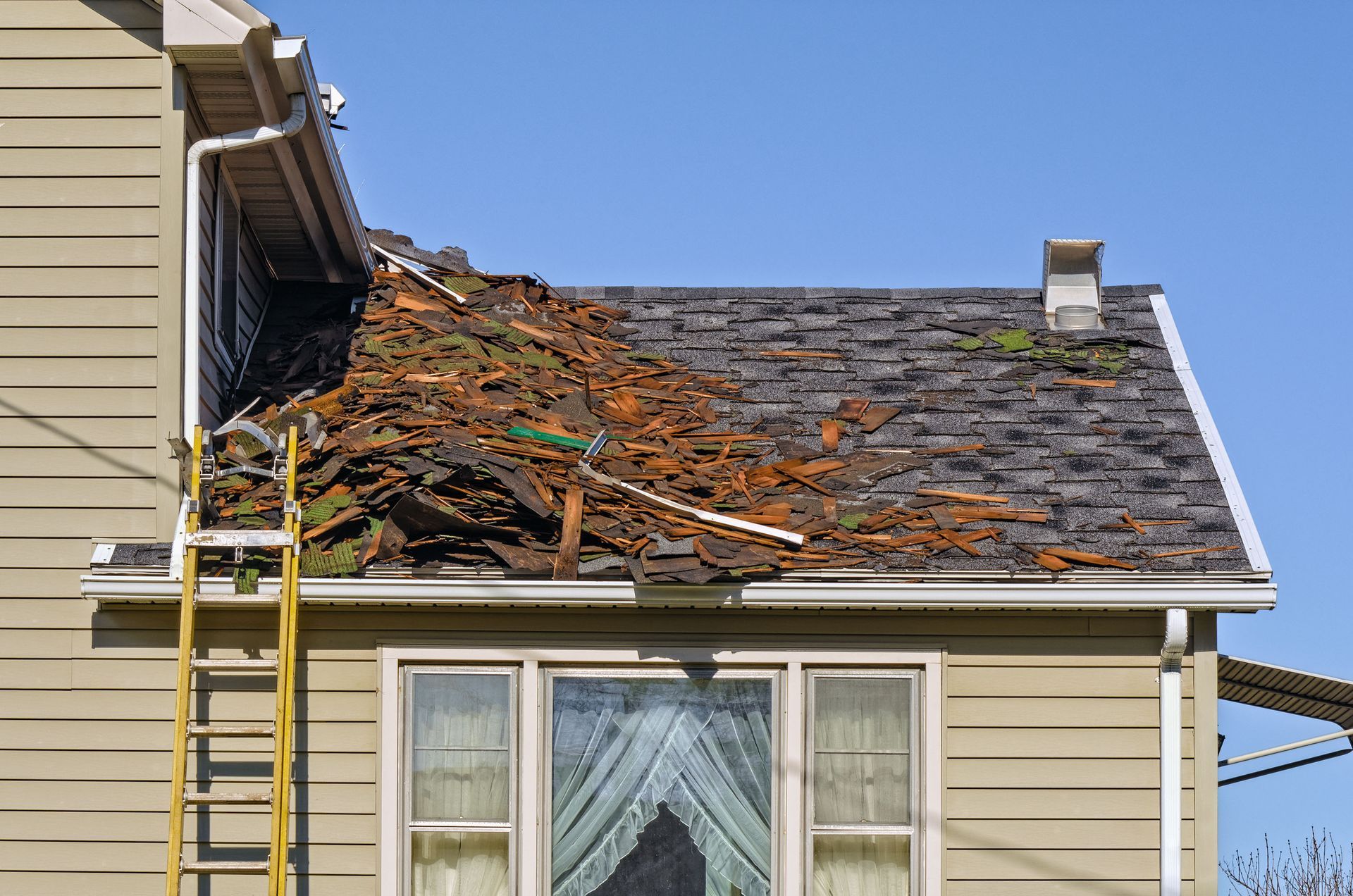
Wind damage rarely presents as a uniform pattern across an entire slope. Air currents lift shingle tabs at corners, edges, and ridge lines where uplift pressure reaches peak intensity. Over time or during severe gusts, this uplift breaks the factory adhesive seal connecting adjacent courses. Once unsealed, materials flap violently, crease along their fastener lines, or tear away entirely, leaving the wood underlayment exposed to driving rain. Even if shingles settle back down into place, broken seal strips prevent them from shedding water effectively during subsequent downpours. A certified local roofing service evaluates these subtle adhesion failures, confirming whether targeted reattachment or an overall replacement remains the appropriate solution.
Spotting Hail Impact Characteristics
Hail strikes impact roofing assemblies in ways that differ significantly from standard mechanical wear. Solid ice stones dislodge protective surface granules, exposing the underlying fiberglass mat or asphalt layer to ultraviolet radiation. On architectural shingles, hail strikes appear as round, dark indentations that feel soft or spongy when pressed. Metal components such as valleys, exhaust vents, and flashing aprons retain distinctive dents, which serve as clear benchmarks for estimating storm severity. Left unaddressed, granule loss accelerates membrane deterioration, allowing moisture to seep into deeper layers within months of the initial impact event.
Addressing Falling Tree and Debris Harm
Storm-force gusts regularly tear heavy branches from nearby tree canopies, propelling limbs directly onto roof planes. Impacting limbs puncture sheathing, bend metal flashing lines, and crack the foundational rafters supporting the roof deck. Even smaller branches dragged across surfaces dislodge critical mineral coatings, degrading weather barriers. Punctures demand immediate professional remediation to prevent ongoing interior leaks. Structural deflection caused by substantial impacts usually compromises the overall balance of the roof framing, necessitating a comprehensive reconstruction rather than minor cosmetic patchwork.
Evaluating Key Criteria for Full System Replacement
Calculating the Overall Extent of Physical Ruin
The proportion of affected surface area serves as a primary metric when deciding between targeted repairs and full renewal. When damage concentrates on a single facet or isolated perimeter zone, localized repairs often restore performance seamlessly. However, when torn shingles, displaced flashing, and impact indentations spread across multiple roof planes, patching individual sections creates an irregular defense against the weather. According to data compiled by RubyHome, about one in three roof replacements stems directly from severe storm damage. Widespread disruption across multiple slopes indicates that the protective assembly as a whole has suffered systemic failure, making complete reconstruction the sensible operational strategy.
Assessing the Existing Age of the Structure
A roof nearing the conclusion of its projected service lifecycle reacts poorly to severe weather trauma. Mature shingles lose natural oils, turning brittle, rigid, and resistant to localized patching. Attempting to install fresh replacement shingles into aged surrounding courses often causes adjacent materials to snap, crack, or delaminate. When an aging installation sustains severe wind or hail impacts, investing in temporary repairs produces diminishing returns. In these instances, choosing a qualified local roofing service to complete a full roof replacement provides a fresh weather barrier engineered to current structural codes, delivering superior longevity and dependable storm resilience.
Uncovering Hidden Moisture Intrusion Within the Decking
Surface defects represent only half of the diagnostic puzzle; underlying structural conditions carry equal importance. Heavy storms push water through microscopic fissures into synthetic underlayments, insulation boards, and timber decking. Water accumulation softens plywood panels, prompts microbial proliferation, and deteriorates structural rafters over extended intervals. If an inspection uncovers extensive moisture retention beneath the shingles, removing the surface layer to replace rotted decking becomes essential. An experienced local roofing service inspects interior attic spaces and uses specialized equipment to identify hidden saturation before moisture damages interior ceilings and living quarters.
Conducting a Professional Exterior Inspection Process
Performing Ground-Level Surface Evaluations
Property owners can execute an initial preliminary survey safely from ground level using binoculars. Key items to look for include displaced ridge caps, curled shingle tabs, sagging roof profiles, and debris accumulations along water drainage pathways. Checking gutter discharge areas for piles of detached granules provides additional insight into shingle wear. While ground-level visual assessments help establish an initial baseline, they cannot substitute for an exhaustive surface inspection. Relying on an established local roofing service guarantees that qualified technicians inspect transitions, hidden flashings, and high-pitch areas safely without causing accidental surface wear during foot traffic.
Examining Critical Flashing Details and Roof Penetrations
Flashing materials seal the joints between sloped surfaces and vertical walls, skylights, plumbing stacks, and chimney perimeters. Violent storms torque these intersections, popping fasteners and ripping thin metal strips away from their anchor points. When high winds destabilize flashing, water finds a direct, unobstructed passage straight to the framing structure beneath. Inspecting the integrity of vertical transitions, step flashing, and counterflashing strips forms an indispensable part of every storm assessment. If flashing failures coincide with shingle damage, re-roofing the structure ensures every critical transition receives modern, watertight flashing assemblies.
Reviewing the Balance of Attic Ventilation
Severe storms frequently dislodge or deform ridge vents, static air pots, and soffit intake grates. Proper airflow balance within the attic space controls thermal buildup during summer months and prevents ice damming throughout winter cycles. Crushed or detached vents allow blowing rain to funnel directly into structural insulation packages, destroying their thermal resistance values. During a comprehensive evaluation, a dependable local roofing service checks intake and exhaust pathways to confirm that exterior storm forces have not restricted internal air movement or broken weather-resistant vent seals.
Selecting the Right Approach for Long-Term Property Protection
Differentiating Simple Restoration from Total Overhauls
Deciding between isolated surface repairs and a full structural replacement hinges on whether the core envelope remains intact. Minor shingle displacement along an accessible perimeter requires straightforward shingle weaving and adhesive resealing. Conversely, systematic granule loss across all slopes, broken plywood decking, compromised underlayment, and extensive flashing detachment demand a complete renewal. Evaluating the entire installation as an integrated protective system ensures that chosen remedial steps deliver continuous defense against regional climate hazards rather than temporary, fragile stopgaps.
Preparing Your Structure for Upcoming Seasonal Weather
Addressing post-storm roof wear promptly prevents compounding structural vulnerabilities. Leaving bruised shingles or micro-punctures unattended allows ordinary seasonal rain to infiltrate the envelope slowly, cultivating mold colonies, damaging interior drywall, and weakening attic joists. Engaging a trusted local roofing service following any major weather occurrence ensures small defects receive corrective attention before turning into extensive structural liabilities. A timely evaluation establishes clear diagnostic data, empowering property owners to make sound, lasting decisions regarding roof restoration or full rebuilds.
Severe storms test every element of a building envelope, leaving behind damage that ranges from noticeable tears to hidden structural decay. Determining whether an existing roof can endure future climate stresses or requires complete replacement demands disciplined evaluation of shingle conditions, underlying decking stability, and perimeter seals. Ignoring subtle storm impacts invites extensive internal moisture intrusion, progressive rot, and substantial financial losses down the road. Engaging a qualified
local roofing service guarantees that every plane, joint, and structural junction receives a rigorous assessment using established technical benchmarks. For thorough property inspections and professional support with storm damage recovery, contact Eastside Construction to ensure your building remains fully protected.